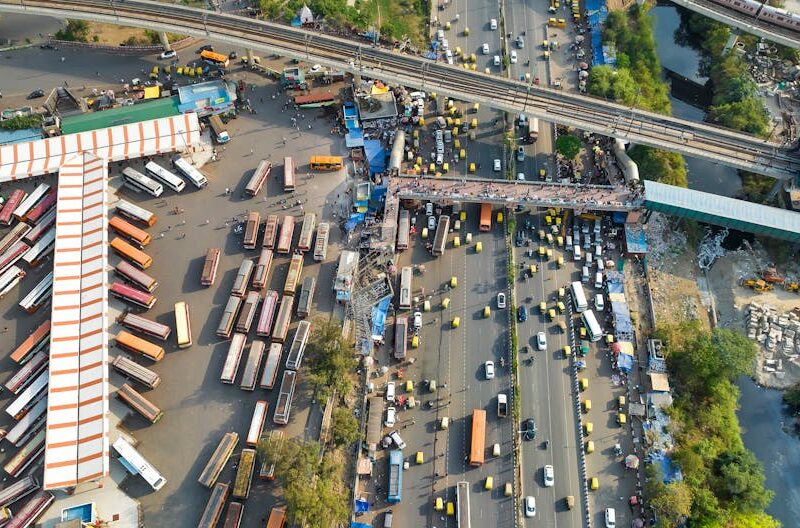
Why the World Health Organization Sets Rules for Transportation Hubs Airports, seaports and ground‑crossings (border checkpoints, railway stations, bus terminals) are points where large numbers of people and goods converge. When an infectious disease spreads, … WHO Rules for Airports, Ports, and Ground Crossings Explained SimplyRead more
Why Public-Health Planning Must Be Part of Transport Infrastructure Design
What does “public‑health planning” mean in the context of transport? Public‑health planning is the systematic assessment of how a project will affect the health and well‑being of the people who live, work, and travel around … Why Public-Health Planning Must Be Part of Transport Infrastructure DesignRead more
Crowd Management, Queues, and Passenger Flow as Public‑Health Challenges
Why do crowd dynamics matter for public health? When large groups gather in confined spaces—airports, train stations, stadiums, or shopping malls—the way people move and wait can affect the spread of infectious diseases. Close contact, … Crowd Management, Queues, and Passenger Flow as Public‑Health ChallengesRead more
What Makes a Transport Hub Resilient During a Health Emergency?
Why resilience matters for transport hubs When a health emergency spreads across a region, the ability of a transport hub—airport, railway station, bus terminal, or seaport—to keep operating safely becomes a matter of public health, … What Makes a Transport Hub Resilient During a Health Emergency?Read more
The Biggest Infection Hot Spots in Airports and Transport Hubs
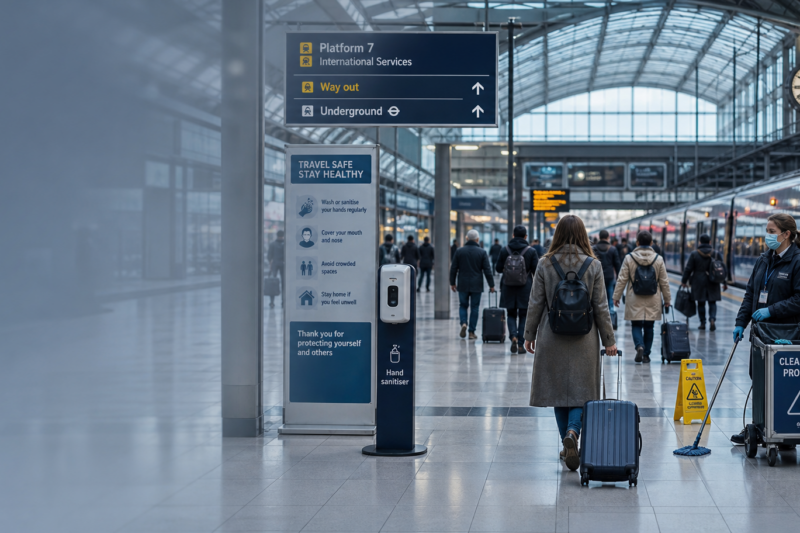
Why airports and transport hubs matter in disease transmission Airports, train stations, and bus terminals are unique environments where large numbers of people converge, move quickly, and interact with shared surfaces. The combination of high … The Biggest Infection Hot Spots in Airports and Transport HubsRead more
How Rail Stations and Urban Transit Systems Manage Health Risks
Why health risk management matters for transit users Millions of people travel through rail stations and urban transit networks every day. The close proximity of passengers, high turnover of crowds, and confined spaces create conditions … How Rail Stations and Urban Transit Systems Manage Health RisksRead more
Ventilation in Stations and Terminals: Why Airflow Matters More Than Ever
What does ventilation mean for a transport hub? In a railway station or an airport terminal, ventilation is the system of moving fresh air into the building, removing stale or contaminated air, and distributing the … Ventilation in Stations and Terminals: Why Airflow Matters More Than EverRead more
What COVID Taught Us About Public Health in Transport Hubs
Why transport hubs became a focal point for pandemic response Airports, train stations, bus terminals and ferry wharves move billions of passengers each year. Their design encourages high‑density flows, shared surfaces and rapid turnover of … What COVID Taught Us About Public Health in Transport HubsRead more
How Airports Prepare for Future Pandemic Risks
Why Pandemic Readiness Matters for Airports Airports are hubs where thousands of people from different regions converge in a confined space. That makes them potential flashpoints for the spread of infectious disease. A pandemic can … How Airports Prepare for Future Pandemic RisksRead more
What Is Transport Biosecurity and Why Does It Matter?
Transport biosecurity is the set of measures, systems, and planning strategies used to reduce health risks linked to the movement of people through shared transport environments. In practical terms, it covers how airports, rail stations, … What Is Transport Biosecurity and Why Does It Matter?Read more